

PM KUSUM Solar Pump Subsidy 2026 30 Percent
Under PM-KUSUM Component B, the central government provides 30 per cent Central Financial Assistance on standalone solar agriculture pumps, and most state governments add a subsidy of at least 30 per cent.
Quick Summary
Under PM-KUSUM Component B, the central government provides 30 per cent Central Financial Assistance on standalone solar agriculture pumps, and most state governments add a subsidy of at least 30 per cent. In North-East states and certain union territories, the central share rises to 50 per cent. Here is who qualifies, how much the farmer pays, and how to apply through the state implementing agency.
What the Scheme Offers
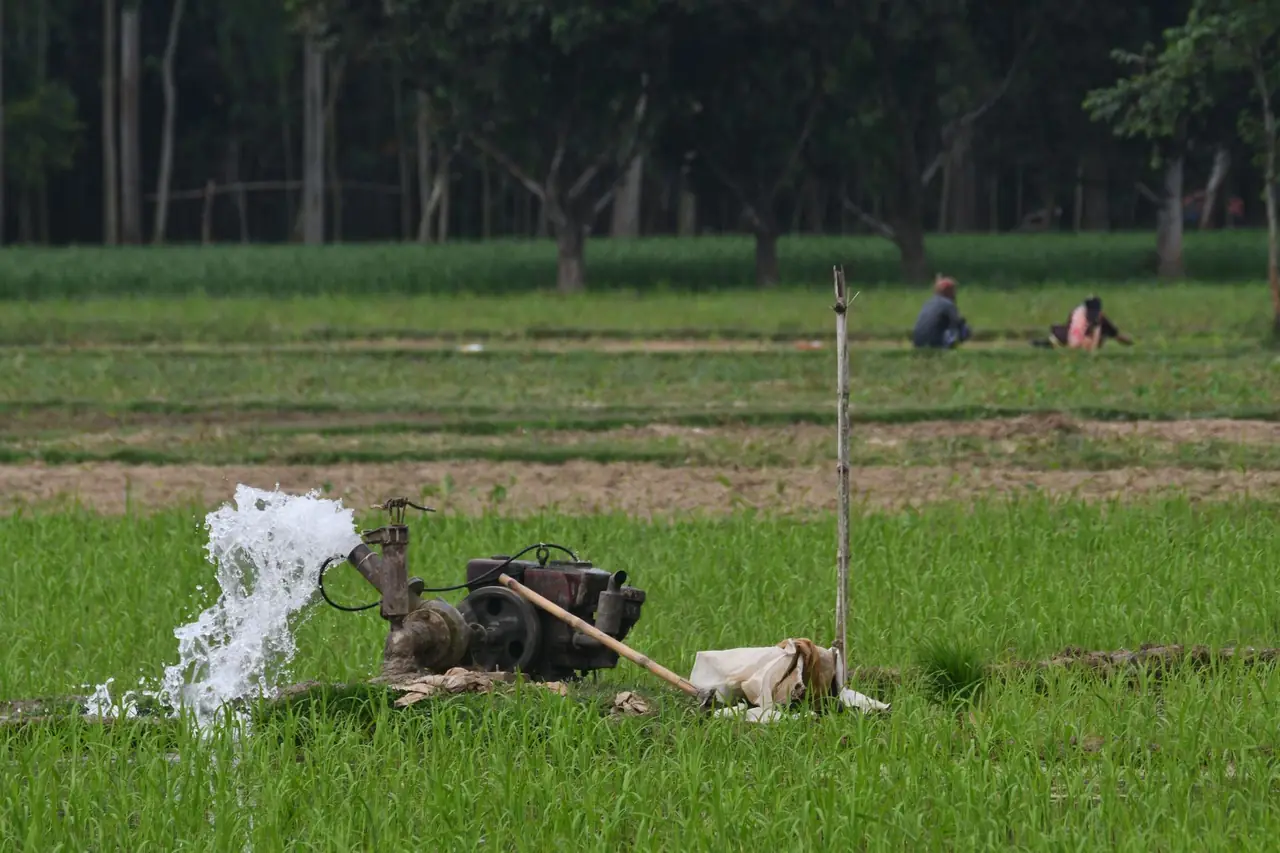
PM-KUSUM, the Pradhan Mantri Kisan Urja Suraksha evam Utthaan Mahabhiyan, helps farmers move to solar-powered irrigation. Under Component B of the scheme, the government supports standalone solar agriculture pumps. These are especially useful in areas where grid electricity does not reach, so farmers can irrigate their fields without depending on diesel pumps or waiting for a power connection.
The pumps run on solar photovoltaic panels. Once installed, they use sunlight to generate electricity and pump water, which reduces running costs for the farmer.
How Much Subsidy Do Farmers Get?
For eligible standalone solar pumps in most states and union territories, the central government provides Central Financial Assistance (CFA) of 30 per cent. This is calculated on the benchmark cost or the tender cost, whichever is lower.
The state government adds a subsidy of at least 30 per cent. The remaining amount is paid by the farmer. In many cases, farmers can cover their share through a bank loan, subject to the bank's terms and the scheme conditions.
For special regions — the North-East states, Jammu and Kashmir, Ladakh, Himachal Pradesh, Uttarakhand, Lakshadweep, and the Andaman and Nicobar Islands — the central assistance is higher, at 50 per cent of the benchmark or tender cost, whichever is lower. The state's minimum 30 per cent share stays the same, and the farmer pays the rest.
Pump Capacity and Progress So Far
Under the scheme norms, farmers can generally install solar pumps of up to 7.5 HP, following state implementation guidelines. The right capacity depends on the size of the land, the water requirement, the available water source, and local sunlight conditions.
The scheme has reached significant scale. As of 31 August 2026, 13,07,190 solar pumps had been approved under Component B, and 11,80,474 standalone solar agricultural pumps had been installed. PM-KUSUM as a whole targets about 34,800 MW of renewable energy capacity, with total central assistance of about Rs 34,422 crore.
Who Can Apply
The scheme is meant for farmers, with a focus on those in rural agricultural areas that do not have grid electricity connectivity. State-specific rules apply, so eligibility, targets, and the farmer's share of the cost can differ from one state to another.
In areas with stress on groundwater, local norms for installing solar pumps must also be followed.
- Step 1: Contact the department or agency that implements PM-KUSUM in your state.
- Step 2: On the national PM-KUSUM portal, check the implementing agency for your state, the eligibility rules, available targets, the farmer's share of the cost, pump capacity options, and the application process.
- Step 3: The portal also lists vendors and rate information for standalone solar pumps.
- Step 4: Confirm the latest state-specific norms before you submit your application.
- Step 5: Apply through the state implementing agency and keep the acknowledgement safe.
Solar pumps reduce the need to buy diesel for irrigation, which helps farmers manage fuel costs that move with market prices. They also make it possible to use solar power locally in remote areas, without extending electricity lines to every field.
The savings vary from farm to farm. Pump capacity, water needs, past diesel use, local sunlight, daily usage hours, and maintenance costs all affect the actual benefit. Choosing the right pump size and using water efficiently matter as much as the subsidy itself.
Eligibility
- Farmers in areas without grid electricity connectivity are the main focus of Component B.
- State-specific implementation guidelines decide the exact eligibility rules, targets, and cost shares.
- Pump capacity should match the land size, water requirement, water source, and local sunlight conditions.
- In groundwater-stressed areas, local norms for solar pump installation must be followed.
Benefits
- Central Financial Assistance of 30 per cent on standalone solar pumps in most states and union territories.
- Higher central assistance of 50 per cent in North-East states, Jammu and Kashmir, Ladakh, Himachal Pradesh, Uttarakhand, Lakshadweep, and the Andaman and Nicobar Islands.
- A minimum 30 per cent subsidy from the state government on top of the central share.
- Farmers can cover their remaining share through a bank loan, subject to bank norms.
- Solar pumps cut dependence on diesel for irrigation and work without a grid connection.
How to Apply
- Step 1: Contact the department or agency that implements PM-KUSUM in your state.
- Step 2: On the national PM-KUSUM portal, check the implementing agency for your state, eligibility rules, available targets, the farmer's share of the cost, pump capacity options, and the application process.
- Step 3: Review the vendor and rate information for standalone solar pumps listed on the portal.
- Step 4: Confirm the latest state-specific norms before submitting your application.
- Step 5: Apply through the state implementing agency and keep the acknowledgement safe.
Important Dates
- As of 31 August 202613,07,190 solar pumps approved and 11,80,474 standalone solar pumps installed under PM-KUSUM Component B.
- The scheme is ongoing. Confirm current application windows with your state implementing agency.
Common Mistakes
- Skipping the check for state-specific norms before applying. Rules, targets, and the farmer's share differ by state.
- Choosing a pump capacity that does not match the land size, water requirement, or local sunlight conditions.
- Assuming the subsidy covers the full cost. The farmer's share is real, and bank loan rules apply to it.
FAQs
What is PM-KUSUM Component B?
How much subsidy do farmers get under PM-KUSUM?
What is the maximum solar pump capacity under the scheme?
Can a bank loan cover the farmer's share?
How many solar pumps have been installed so far?
Where can farmers apply for the solar pump subsidy?
Official Sources
Verified links • No WhatsApp forwards
Official scheme portal with state-wise implementing agencies, vendors, and rates for standalone solar pumps.
Ministry of New and Renewable EnergyOfficial notifications, guidelines, and updates for PM-KUSUM and other renewable energy schemes.
National Portal of IndiaGovernment of India's central portal for scheme information and official services.
Disclaimer
Samjho is an independent informational resource and is not a government website. Content is for general understanding only and is not financial, legal, tax or professional advice. Rules, rates and eligibility can change; always verify current details with official sources before acting.