

Two Great Indian Bustards Released Into Rajasthan's Desert National Park
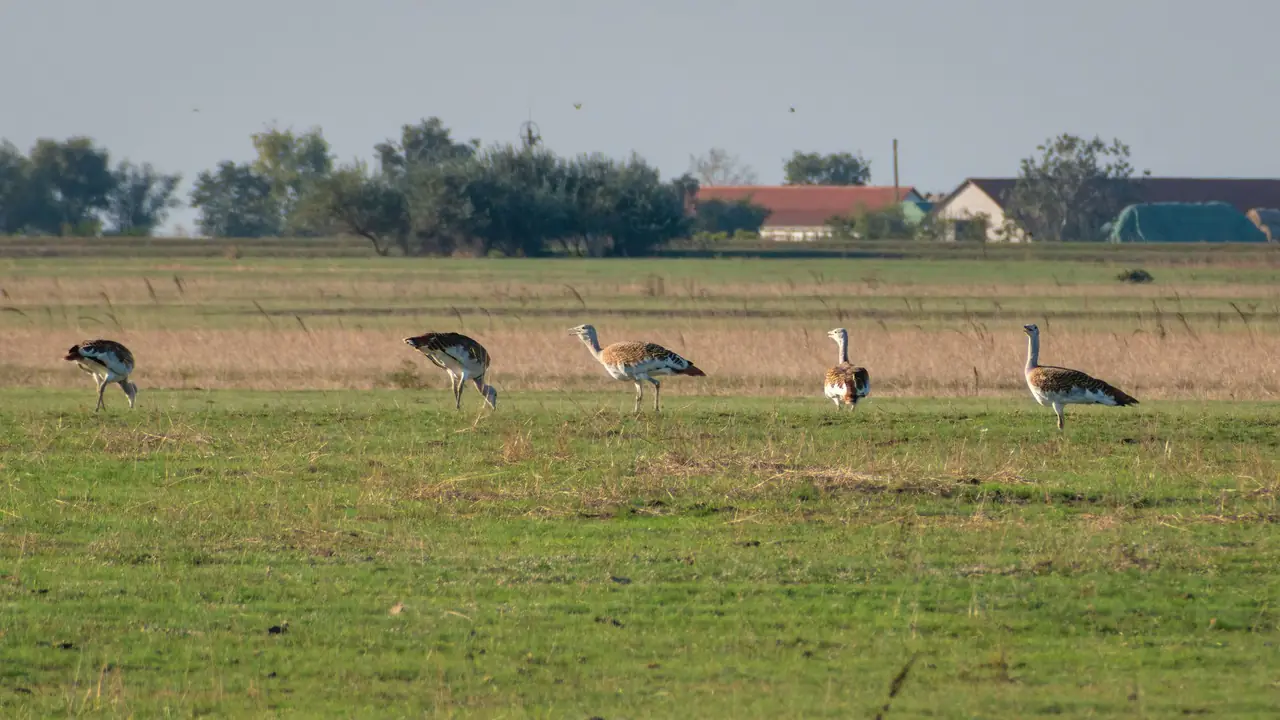
On October 4, 2026, Union Minister Bhupender Yadav released two male Great Indian Bustards into the wild.
Quick Summary
On October 4, 2026, Union Minister Bhupender Yadav released two male Great Indian Bustards into the wild. The birds were set free at Sam in the Desert National Park, Jaisalmer, Rajasthan. This is the first time the conservation programme has moved from breeding birds in captivity to releasing them back into nature.
What Happened
On October 4, 2026, Union Minister for Environment, Forest and Climate Change Bhupender Yadav released two male Great Indian Bustards into the wild. The birds were set free at Sam, inside the Desert National Park in Jaisalmer, Rajasthan. Rajasthan's Forest and Environment Minister Sanjay Sharma attended the event, along with senior central and state officials. In a post on X, Yadav thanked Prime Minister Narendra Modi for his guidance and support. He said the success came from nearly ten years of hard work by scientists, researchers and ground staff.
The Great Indian Bustard is a critically endangered bird. Until now, the programme focused on building a healthy breeding population in captivity. This release marks a shift towards rewilding, which means putting the birds back into their natural desert home. Learnings from this release will help refine the rules for future releases.
Key Points
- Two male Great Indian Bustards are now free in the Desert National Park at Sam, Jaisalmer.
- The breeding centres at Sam and Ramdevra currently hold 97 birds. Of these, 40 came from eggs laid in the wild, and 57 were born in captivity.
- 86 birds stay back for breeding. 11 were marked for release, and the first 2 have now been released.
- Captive breeding produced 24 live chicks in 2025 and 29 in 2026.
- A new 'jumpstart' method placed captive-laid eggs in wild nests. Wild females accepted them, and 6 chicks hatched in Rajasthan and 2 in Gujarat.
- The Rajasthan Forest Department has fenced about 200 sq km of grassland inside the Desert National Park. WII telemetry studies call these areas prime breeding grounds.
- The Bustard Recovery Programme is run by the Environment Ministry, the Rajasthan Forest Department and the Wildlife Institute of India. The International Fund for Houbara Conservation gives technical help, and National CAMPA funds it.
- The Supreme Court's judgement guides the conservation work, based on advice from an expert committee.
Important Dates
- October 4, 2026: Two male Great Indian Bustards released at Sam in the Desert National Park, Jaisalmer.
- 2025: 24 live chicks hatched through captive breeding.
- 2026: 29 live chicks hatched through captive breeding.
FAQs
Which birds were released and where?
What is the Great Indian Bustard?
How many Great Indian Bustards are in the breeding centres right now?
What is the 'jumpstart' method?
Who runs the Bustard Recovery Programme?
Official Sources
Verified links • No WhatsApp forwards
Disclaimer
Samjho is an independent informational resource and is not a government website. Content is for general understanding only and is not financial, legal, tax or professional advice. Rules, rates and eligibility can change; always verify current details with official sources before acting.